Water Temperature to Wash Beard: Frizz-Free Guide
Dermatological Formulations & Rituals
Stepping into a steaming shower offers a welcome escape after demanding hours. However, your facial hair and underlying skin barrier react poorly to intense heat. Regulating the exact water temperature to wash beard growth is just as vital as your choice of cleanser. Scalding water lifts hair cuticles wide open, melts epidermal lipids, and causes severe frizz. Adopting disciplined thermal wash principles will keep your skin hydrated and your whiskers perfectly aligned.
Key Takeaways: The Thermal Rule
- Cleansing Window: Lukewarm water (36°C–38°C) softens hardened squalene and grime without dissolving epidermal ceramides.
- Frizz Elimination: A 20-second cool rinse (20°C–22°C) forces raised keratin cuticles flat, trapping cortex moisture.
- Barrier Integrity: Water above 39°C escalates transepidermal water loss (TEWL) and causes reactive skin redness.
- Sealing Window: Applying natural carrier oils within 60 seconds of washing locks moisture into newly closed cuticles.

Why Does Hot Water Make Beard Hair Frizzy and Brittle?
Washing with hot water forces the protective outer cuticles of your beard hair to flare open, allowing internal hydration to escape. The exterior of every facial whisker consists of overlapping keratin scales, structured like shingles on a slate roof. When cuticles remain flat and aligned, hairs feel smooth, reflect ambient light, and retain moisture within the core cortex.
High thermal energy acts as an invasive force against these keratin scales. Water above 39°C causes scales to swell and lift away from the shaft. Because beard hair is naturally coarser and more porous than scalp hair, lifted cuticles allow internal moisture to vanish into thin air.
Once you step out of the shower and dry off, these raised cuticles catch against adjacent fibers. This microscopic friction creates static charge, rough texture, and persistent flyaways that no comb can resolve. Scalding temperatures turn smooth facial hair into a tangled, frizzy perimeter.
How Scalding Shower Water Strips Facial Lipids and Triggers Beard Dandruff
The damage from hot shower streams extends deep beneath your beard, harming the delicate epidermal barrier below. Your stratum corneum relies on an intercellular lipid matrix composed of ceramides, cholesterol, and natural sebum. These protective lipids have a low thermal melting threshold, dissolving rapidly when exposed to temperatures above 38°C.
When hot shower water hits your face, it dissolves this lipid mortar. Deprived of its protective barrier, the skin suffers intense moisture loss. Facial tissue becomes tight, parched, and itchy within minutes of stepping onto the bath mat.
Clinical research reinforces this thermal boundary breakdown. In a controlled investigation published in Contact Dermatitis on surfactant-induced barrier disruption, investigators demonstrated that elevated water temperatures accelerate skin permeability breakdown, trigger sharp rises in transepidermal water loss (TEWL), and cause acute erythema. Pairing hot water with harsh soaps strips the skin raw, setting off reactive flaking.
As explored in our analysis of Beard Dandruff vs Dry Skin, severe dehydration causes surface skin peeling that people often mistake for microbial dandruff. Thermal stripping starves the epidermis, leaving dead flakes trapped in your beard.
Cold Water vs. Warm Water: Can Cold Water Actually Clean a Beard?
Recognizing the dangers of scalding heat, some switch abruptly to freezing cold water. However, washing your beard with cold water presents a different set of challenges.
Cold water cannot liquefy hardened squalene or break down environmental grime. Natural sebum solidifies below 32°C. When you wash with cold water, cleansers slide across waxy residues instead of lifting pollutants away. The lather rinses off before clearing the follicle opening, leaving trapped debris behind.
Freezing water also shocks the skin, causing sudden capillary constriction without providing cleansing advantages. A balanced thermal protocol cleanses thoroughly without burning or shocking the skin.
| Thermal Parameter | Cold Water (15°C–19°C) | Lukewarm (36°C–38°C) | Hot Water (>39°C) |
|---|---|---|---|
| Sebum Solubilization | Ineffective; solidifies lipids | Optimal; dissolves wax esters | Excessive; strips all lipids |
| Cuticle Response | Locks flat; hardens shaft | Relaxes slightly for cleansing | Swells cuticles wide open |
| Barrier TEWL Impact | Neutral barrier retention | Preserves moisture matrix | Severe water loss & dryness |
| Optimal Phase Usage | Closing Rinse Only | Primary Cleanse | Never Recommended |

The Three-Phase Thermal Wash Protocol for a Frizz-Free Beard
Achieving clean, frizz-free facial hair requires applying heat with intention. Adopt this structured three-phase temperature method during your grooming routine:
-
The Lukewarm Pre-Rinse (36°C–38°C)
Begin your wash by wetting the beard with lukewarm water for 30 seconds. This temperature softens hardened sebum, rinses away loose lint, and relaxes cuticle edges without melting your underlying epidermal barrier. -
The Gentle Cleanse
Massage your wash through your damp beard using light fingertip pressure. A gentle formulation lifts away oxidized sweat and dirt without stripping skin lipids. As detailed in our breakdown on Regular Shampoo on Beard Dangers, aggressive sulfates worsen heat damage. Choose non-stripping cleansers that respect skin pH. -
The Cool Water Lock (20°C–22°C)
Once clean, dial the water down until it feels cool to the touch. Rinse thoroughly for 20 seconds. This temperature drop smooths keratin scales back down against the hair shaft. Sealed cuticles retain core hydration, eliminate friction, and give the beard a natural sheen.
For deeper insight into structuring your weekly routine, consult our complete Sulfate Free Beard Wash Protocol.
Formulation Spotlight: Pure Dermal Protection
Managing water temperature works best when paired with non-stripping cleansers. Harsh sulfate washes counteract your thermal routine through chemical lipid removal.
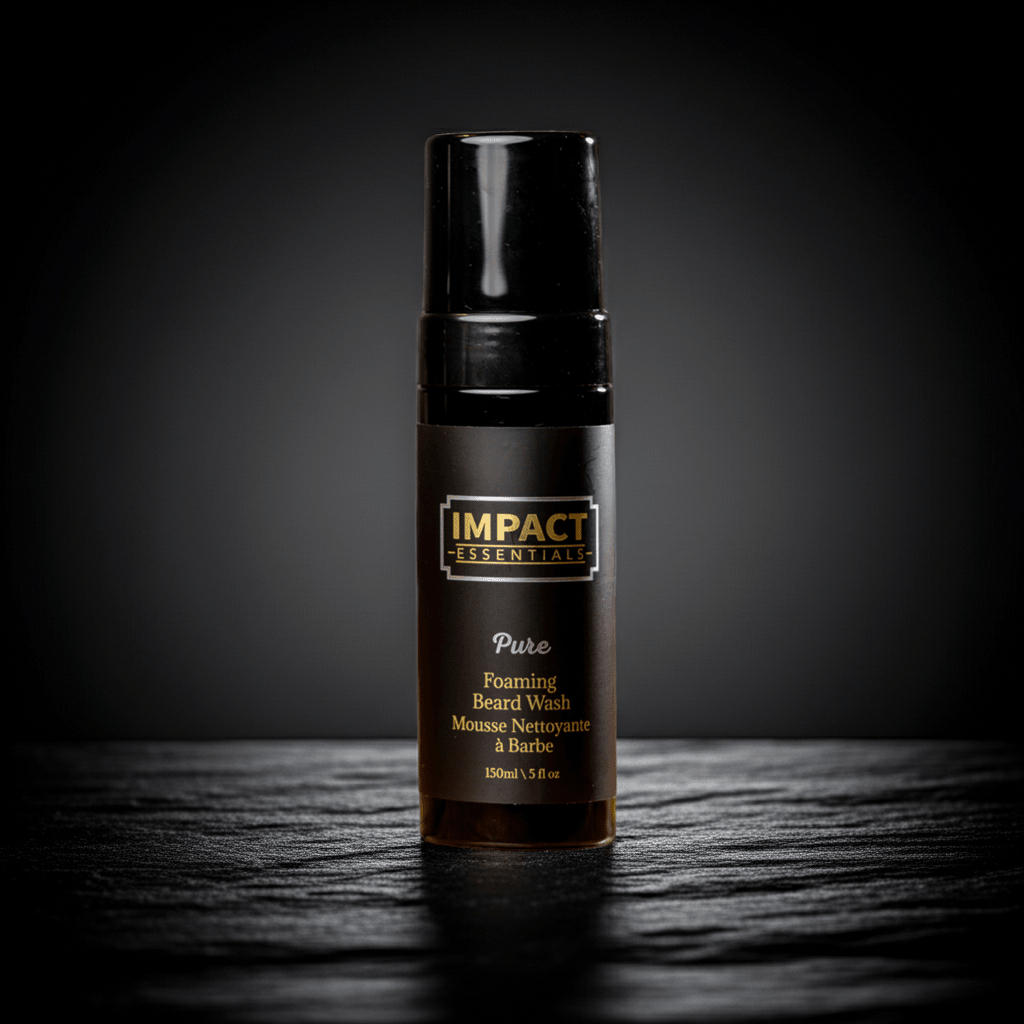
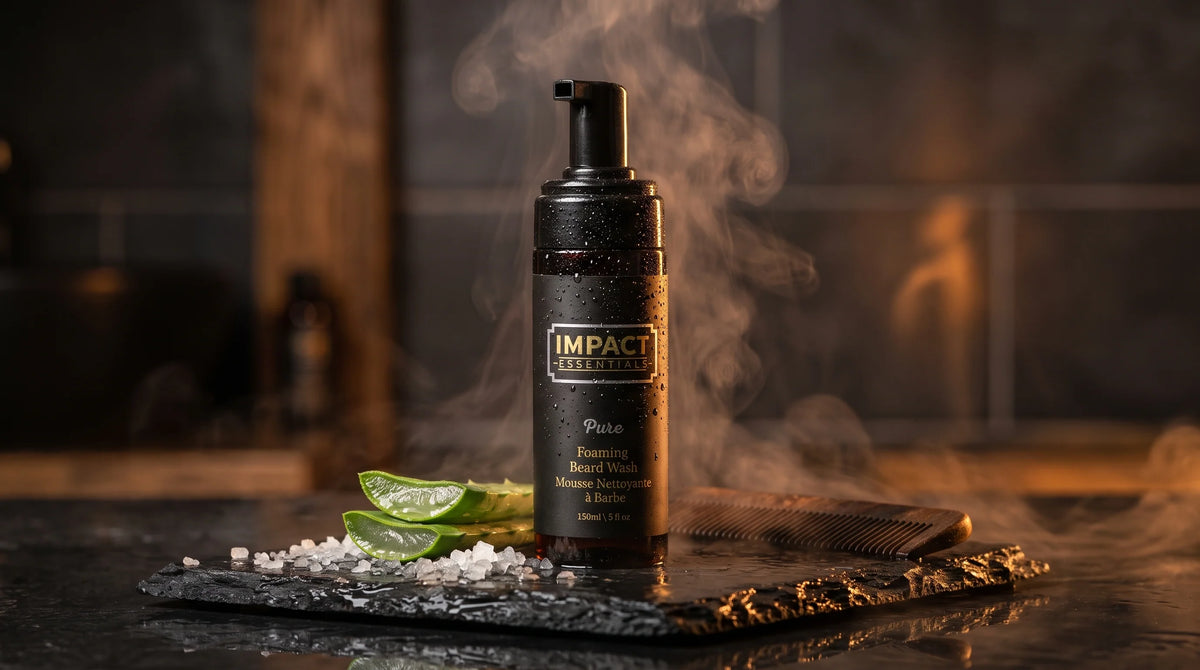
Our Pure Unscented Foaming Beard Wash provides the ideal thermal partner. Formulated with gentle plant-derived cleansers, Dead Sea minerals, and provitamin B5, it rinses cleanly in cool or lukewarm water without residue. To discover our full range of gentle options, explore the Foaming Beard Wash Collection.
Frequently Asked Questions
What exact water temperature is best for washing a beard?
The best water temperature is lukewarm water between 36°C and 38°C (97°F–100°F) for cleansing, followed by a cool rinse between 20°C and 22°C (68°F–72°F) to seal cuticles.
What does hot water do to beard hair and skin?
Water above 39°C flares keratin cuticle scales open, drying out the hair core. On facial skin, excessive heat dissolves the intercellular lipid matrix, causing moisture loss, redness, and flaking.
Is cold water or warm water better for washing a beard?
Warm, lukewarm water is best for the washing step because cold water cannot dissolve oxidized sebum or waxy build-up. Cool water is best used as a finishing rinse to compress cuticles.
What is the best water temperature for sensitive beard skin?
Sensitive skin thrives with a tempered wash between 34°C and 36°C (93°F–97°F). This range prevents capillary dilation and flushing while allowing gentle cleansers to function effectively.
Does hot water cause beard split ends?
Yes. High heat strips moisture-retaining internal lipids from the hair shaft. Brittle fibers snap under comb traction, leading to frayed split ends.
Should you wash your beard in the shower or at the bathroom sink?
Washing at the sink gives you precise control over water temperature. Standard body showers run between 40°C and 43°C, which is far too hot for facial skin and beard cuticles.
Can cold water help reduce beard itch?
Yes. A cool water rinse constricts superficial blood vessels, soothes local inflammation, and calms post-wash itchiness triggered by thermal dehydration.
How should you dry your beard after a cool water rinse?
Gently pat your beard using a soft, clean towel. Avoid aggressive rubbing, as towel friction can disturb closed cuticles and create static frizz.
How soon should you apply beard oil after washing?
Apply natural beard oil within 60 seconds of pat-drying while whiskers retain moisture. Plant carrier oils form a protective barrier that seals water inside the hair shaft.
Elevate Your Daily Grooming Ritual
Refined grooming begins with respecting the physiology of your skin. Monitoring wash temperature prevents frizz, guards your moisture barrier, and keeps whiskers touchably soft. Step away from scalding heat and introduce a measured thermal wash to your daily routine. Treat your beard with care, and enjoy the distinction of healthy facial hair every day.