Follicular Biology • Grooming Science
By IMPACT Essentials Editorial • Updated October 2026
Lathering regular shampoo on beard whiskers strips critical facial lipids, triggers chronic flaking, and degrades delicate follicular tissue. While scalp hair tolerates aggressive degreasers, the fragile skin beneath your beard demands acidic, non-stripping surfactants. Using standard hair shampoo on facial hair dismantles your moisture barrier, leading to immediate redness, brittle fibers, and persistent irritation.
Core Takeaways: Follicular Extraction Matrix
- Stratum Corneum Divergence: Facial skin is significantly thinner than the scalp, making it twice as susceptible to transepidermal water loss when exposed to harsh cleansers.
- Surfactant Toxicity: Anionic detergents like Sodium Lauryl Sulfate (SLS) solubilize natural squalene and ceramides, sparking rapid barrier breakdown.
- Alkaline Swelling: Scalp shampoos (pH 6.0–7.5) blow open coarse beard cuticles, causing protein fatigue, snapping, and split ends.
- Biological Cleansing: Bio-compatible non-ionic glucosides (pH 5.0–5.5) purify congested follicles while protecting lipid balance.

Why Does Regular Shampoo Destroy Facial Skin?
Scalp skin and facial skin operate as two distinct biological ecosystems. Your scalp features a dense matrix of terminal hair follicles, an expansive sebaceous output, and a thick stratum corneum designed to withstand direct sun, wind, and sweat. Because the scalp produces heavy oils, commercial hair shampoos utilize high-concentration anionic surfactants to degrease that resilient surface.
In contrast, your cheeks, chin, and jawline possess a delicate epidermal architecture. Facial skin produces a conservative lipid layer that seals in hydration. When you apply conventional hair shampoo to facial hair, harsh sulfates strip away this protective sheath. Instead of washing away excess dirt, these aggressive detergents dissolve essential ceramides and free fatty acids, leaving the stratum corneum exposed.
Dermatological evidence validates this physiological difference. A clinical study published in Acta Dermato-Venereologica on stratum corneum function confirms that facial cheek tissue is markedly thinner and more prone to moisture loss than scalp skin. Subjecting this vulnerable surface to scalp-strength degreasers triggers barrier dysfunction, stinging, and visible redness.
| Biological Parameter | Scalp Ecosystem | Facial Cheek Ecosystem |
|---|---|---|
| Stratum Corneum | Dense, thick keratinized layers | Thin, delicate, easily penetrated |
| Sebaceous Output | High volume, rapid replenishment | Moderate to low, easily depleted |
| Optimal Acid Mantle | pH 5.5 to 6.5 | pH 4.7 to 5.5 |
| Surfactant Tolerance | Tolerates anionic degreasers (SLS) | Demands gentle non-ionic cleansers |
Why Does Regular Shampoo Cause Beard Dandruff and Flaking?
Many people reach for standard shampoo when white flakes settle into their beard, assuming aggressive cleansing will clear the debris. However, applying hair shampoo to facial hair accelerates flaking through a dual-phase disruption cycle.
First, aggressive detergents cause acute dehydration. Without a protective lipid coat, dried skin cells lift and flake off onto your clothing. Then, your sebaceous glands panic. Sensing this total moisture loss, they rush to overproduce sebum to rescue the dehydrated skin.
This rapid surge of sebum provides ideal fuel for Malassezia globosa, an opportunistic yeast naturally present on the skin. The yeast metabolizes these fresh fats into oleic acid, causing itching, irritation, and visible dandruff flakes. If your skin is easily agitated, following our structured sensitive skin beard care routine helps balance moisture and calm irritation without feeding microbial flares.

How Alkaline Surfactants Damage Beard Hair Cuticles
Coarse facial whiskers pay a steep physical price when washed with regular shampoo. Beard hairs are flatter and more fibrous than scalp hair, relying on overlapping cuticle scales to safeguard their inner protein core.
Conventional scalp products often carry an alkaline pH ranging between 6.0 and 7.5. This elevated alkalinity forces cuticle scales to flare open. As internal moisture evaporates, the hair cortex turns stiff, brittle, and rough. Every pass of a comb catches on these lifted edges, causing hair breaks and uneven split ends.
To protect coarse whiskers, explore our detailed analysis on why your daily routine demands dedicated beard wash. Specially formulated cleansers work at an acidic pH that seals cuticles flat, keeping hair soft, flexible, and resilient.
The Botanical Formulation: Restorative Hygiene Without Detergent Burn
Nourishing beard skin does not mean abandoning thorough hygiene; it requires using the right cleansing agents. A purpose-built wash uses mild, non-ionic surfactants derived from coconut and fruit sugars, such as coco-glucoside and betaine. These gentle agents dissolve trapped grime and daily sweat while leaving your protective lipid layer intact.
Rather than relying on synthetic thickeners, natural formulas incorporate nutrient-rich botanicals. Purifying Dead Sea salt minerals work to decongest pores, while hydrolyzed jojoba proteins and pro-vitamin B5 restore cuticle strength and elasticity.
"True grooming refinement is not about stripping away everything your skin makes. It is an intentional ritual: removing excess buildup while protecting the vital moisture barrier your face needs to thrive."
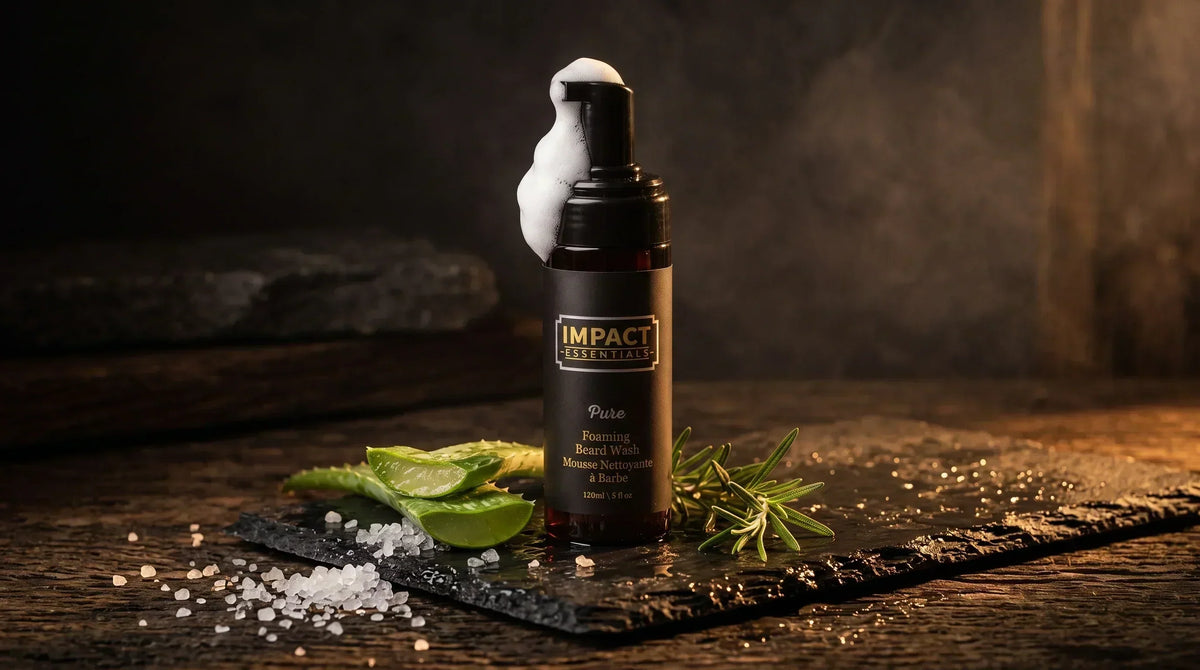
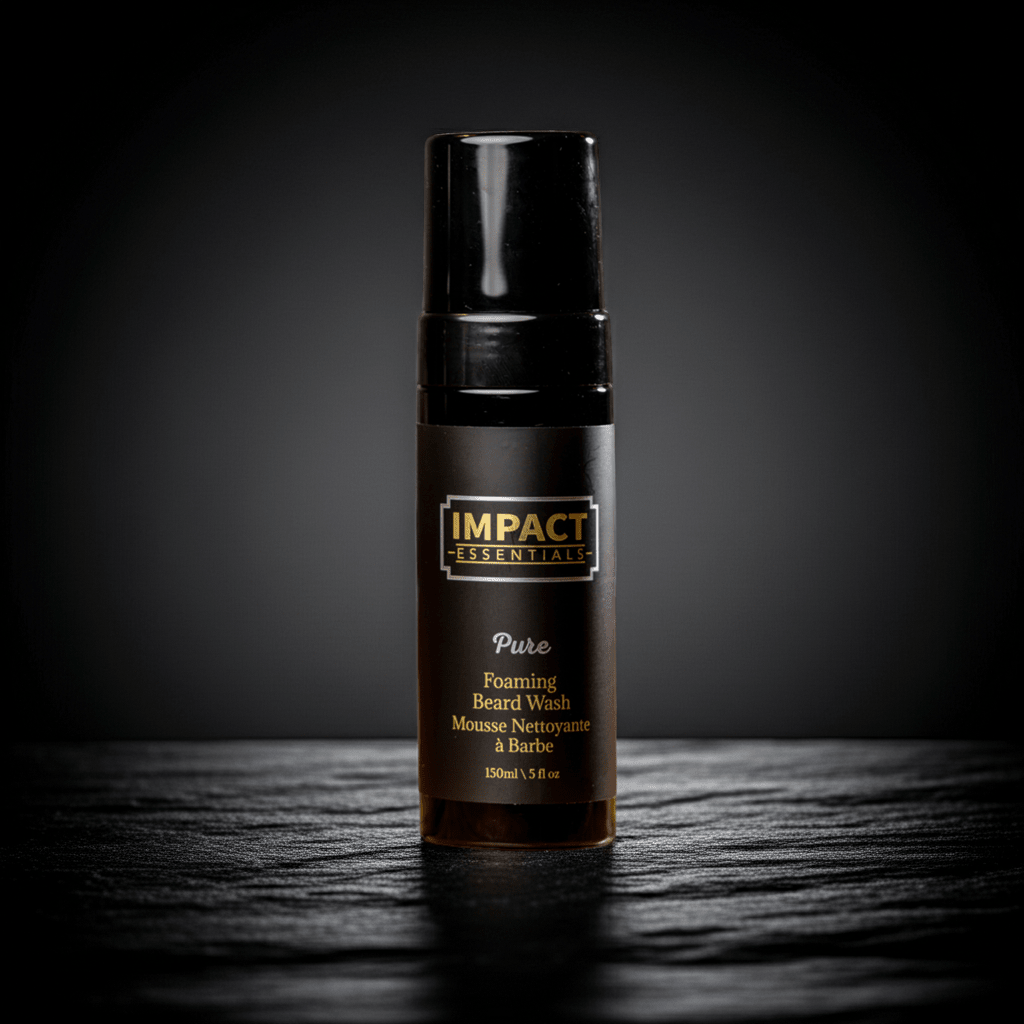
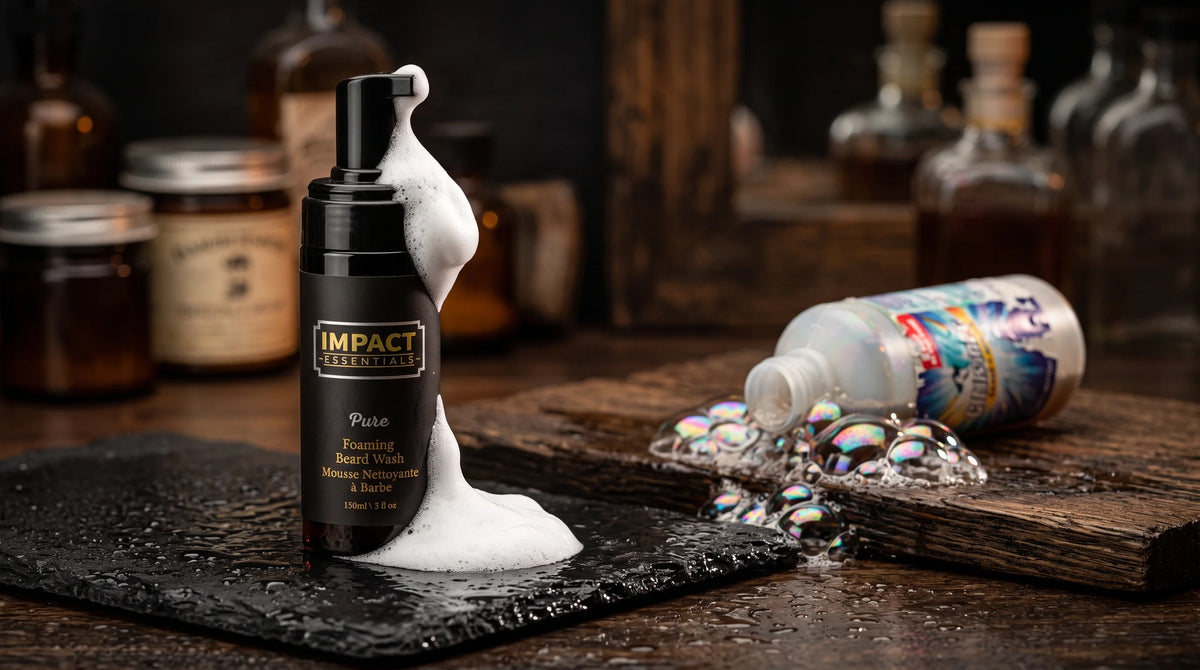
Our Pure Unscented Foaming Beard Wash reflects this formulation philosophy. Developed specifically for reactive facial tissue, it dispenses a rich lather that lifts impurities cleanly without dryness or tight skin. To explore scented options enriched with espresso, smoked oak, or cherry tobacco, view our complete Foaming Beard Wash Collection.
For a complete guide to water temperatures and application techniques, read our step-by-step sulfate-free beard wash protocol. A thoughtful cleansing routine protects your skin and supports long-term beard health.
Frequently Asked Questions
Can you use baby shampoo on a beard instead?
Baby shampoo is gentler than adult shampoo, but it remains unsuited for long-term beard health. Many baby cleansers maintain an alkaline pH around 7.0 to prevent eye stinging, which lifts facial hair cuticles and accelerates whisker dehydration.
How often should you wash your beard with a dedicated cleanser?
Wash your beard two to three times per week using a dedicated, sulfate-free foaming wash. On alternating days, a thorough rinse with lukewarm water removes environmental debris without disrupting natural barrier lipids.
Will regular shampoo cause ingrown beard hairs?
Yes. Severe dermal dehydration causes hyperkeratinization, forming a stubborn barrier of dead cells over follicle openings. Emerging whiskers curl beneath this dry ceiling, triggering painful ingrown bumps and localized inflammation.
What should you do if you accidentally used hair shampoo on your beard?
Rinse immediately with cool water to soothe exposed tissue. Towel-pat the beard until damp, then immediately massage three to five drops of cold-pressed beard oil into the skin to replenish lost lipids and seal the stratum corneum.
Why does my beard feel squeaky clean after regular shampoo?
A squeaky clean sensation signals severe lipid depletion. It occurs when aggressive surfactants strip away all lubricating sebum and cellular ceramides, leaving facial skin bare, tight, and vulnerable to micro-fissures.
Can a proper beard wash help eliminate beard itch?
Yes. A sulfate-free, botanical foaming wash cleanses trapped sebum and dust while maintaining an optimal acidic pH (5.0–5.5). This preserves dermal hydration and stops chronic itch at the follicular root.