Dermatological Formulations & Rituals
Knowing how often to wash beard growth determines whether facial skin remains balanced or descends into persistent irritation. Cleansing facial hair too frequently dissolves the stratum corneum lipid matrix, triggering immediate cutaneous barrier degradation. While enthusiastic hygiene routines seem beneficial, daily detergent scrubbing strips natural sebum, prompting sebaceous glands to overcompensate with aggressive rebound oiliness and inflammatory blemishes.
Clinical Takeaways: Cleansing & Barrier Equilibrium
- Optimal Frequency: Cleanse with a mild surfactant exactly 2 to 3 times per week to preserve the acid mantle (pH 4.5–5.5).
- Sebum Rebound Dynamic: Daily detergent washing triggers compensatory sebaceous gland output, accelerating sebum overproduction within 4 to 6 hours.
- Bacterial Pathogenesis: Stripping barrier lipids promotes desquamation clumping, feeding Cutibacterium acnes inside constricted follicles.
- Surfactant Chemotype: Non-ionic alkyl polyglucosides cleanse effectively while preserving intracellular ceramides and squalene.

Why Does Washing a Beard Every Day Cause Oily Skin and Acne?
Washing facial hair every day strips away essential surface lipids, signaling your sebaceous glands to enter an emergency restorative state. This protective cascade triggers a surge of rebound sebum within hours of cleansing, leaving facial hair greasy while the underlying epidermis suffers from severe moisture depletion.
Human facial biology relies on a delicate lipid mantle to retain water and block microbial ingress. When this protective barrier meets harsh surfactants each morning, the stratum corneum dries out rapidly. Because the skin detects a critical moisture deficit, internal signaling triggers rapid sebaceous gland activation.
Clinical dermatological research published in The Journal of Clinical and Aesthetic Dermatology demonstrates that aggressive facial cleansing compromises intercellular bilayer structures. This mechanical disruption increases trans-epidermal water loss (TEWL) while accelerating compensatory sebum synthesis, which compounds follicular obstruction. Instead of purifying your skin, daily stripping stimulates excessive oil production.
How Does Over-Cleansing Induce Beard Folliculitis and Clogged Pores?
Over-cleansing compromises the skin's epidermal barrier, causing dry micro-fissures and irregular cell shedding. When accumulated dead cells mix with rebound sebum inside constricted follicles, anaerobic bacteria proliferate rapidly, producing painful folliculitis pustules and deep inflammatory papules across the jawline.
This inflammatory cycle develops through two distinct micro-environmental events:
- Hyperkeratinization: Dehydrated epidermal cells lose cohesion and detach in thick sheets. These cellular fragments collect inside the hair follicle funnel alongside excess lipids, creating dense follicular plugs.
- Bacterial Proliferation: Deprived of light and oxygen, trapped strains of Cutibacterium acnes feed upon stagnant lipids. The surrounding tissue becomes inflamed, resulting in tender redness and blemish clusters around the beard base.
As explored in our analysis of Beard Dandruff vs Dry Skin, erratic cleansing cycles disturb natural fungal flora, encouraging microbial imbalance. Calming this environment begins by lowering cleansing frequency and respecting the natural skin barrier.
How Often to Wash Facial Hair: The Clinical Weekly Cadence
Wash facial hair with a gentle, non-stripping cleanser two to three times per week, spacing wash days evenly. This alternate-day schedule removes ambient pollutants, lint, and excess surface oils without breaking down the lipid layers that keep facial hair soft and skin healthy.
Structuring your weekly schedule around your lifestyle ensures clean, comfortable whiskers:
- Scheduled Cleansing Days (2–3 Days Weekly): Apply a sulfate-free foaming wash across your skin and beard. Massage gently into the roots to dissolve debris, then rinse clean with lukewarm water.
- Intermediate Days (4–5 Days Weekly): Cleanse using only a mechanical lukewarm water rinse in the shower. Water removes surface dust and daily sweat without washing away your protective sebum.
- Athletic Adjustments: After heavy workouts, rinse thoroughly with cool water to soothe dilated capillaries. Reserve foaming cleansers for your scheduled wash days unless exposed to heavy dirt or grime.
| Cleansing Method | Lipid Layer Impact | Recommended Frequency | Primary Grime Target |
|---|---|---|---|
| Water Flush | Zero disruption; preserves acid mantle. | Daily (1–2x daily) | Perspiration, dust, surface lint |
| Co-Wash (Conditioner) | Deposits light conditioning esters. | 1x weekly (optional) | Dry flakes, whisker coarseness |
| Glucoside Foaming Wash | Dissolves oxidized sebum; leaves barrier intact. | 2–3x weekly | Stale oils, pollutants, styling residues |

How to Wash the Skin Under a Beard: Anatomical Technique
Wash the skin beneath facial hair by parting dense growth under warm water and working a gentle botanical foam with the flat pads of your fingers. Massage in small circles against the grain to reach the follicle bases, avoiding aggressive nail friction that can cause micro-tears.
Dense beard hair acts like a thatch, often catching debris while preventing cleansers from reaching the skin underneath. To cleanse your skin thoroughly without irritating delicate follicles, follow this clinical five-step ritual:
- Thermal Hydration: Saturate facial hair for two minutes using warm water (37°C–39°C). This thermal step relaxes hair cuticles and loosens trapped sebum without overheating facial capillaries.
- Foam Activation: Dispense two pumps of a gentle glucoside cleanser onto damp palms. Work into a light, low-density foam between your hands to activate its cleansing properties.
- Sub-Dermal Distribution: Work fingers through your beard along the jawline, keeping fingertips in direct contact with skin. Massage in small, steady circles against hair growth for 45 to 60 seconds to clear dead cells.
- Complete Rinse: Part hair under running water to flush out all residual foam. Trapped surfactant residue remains a leading cause of lingering beard itch.
- Gentle Drying: Pat hair lightly with a clean towel instead of rubbing aggressively. While skin remains damp, smooth a few drops of lipid-replenishing oil into your beard to seal in moisture.
Is Beard Wash Better Than Regular Shampoo? Biochemical Breakdown
Dedicated beard washes are significantly better for facial hair than scalp shampoos. Scalp formulas rely on aggressive sulfates engineered to strip heavy cranial oils, whereas specialized beard washes use mild, non-ionic glucosides that cleanse facial whiskers while protecting the skin's delicate acid mantle.
Hair care formulations are engineered for distinct physiological environments. Scalp skin contains high sebaceous gland concentrations, allowing it to withstand stronger cleansing agents. In contrast, facial skin features a more fragile epidermal layer with lower oil production.
As detailed in our study on Regular Shampoo on Beard: Skin Barrier Damage, traditional scalp cleansers feature elevated pH profiles (often above 6.5) alongside harsh surfactants like sodium lauryl sulfate. These detergents strip away natural lipids and cause hair cuticles to swell and lift. Over time, this leads to whisker breakage, split ends, and chronic dryness underneath.
“True grooming requires restraint over excess. When you respect your skin's natural biology instead of scrubbing it away, facial hair becomes softer, healthier, and effortless to maintain.”
A high-performance beard wash uses gentle, plant-derived cleansers from coconut and fruit sugars, such as coco-glucoside and betaine. These mild surfactants dissolve accumulated dust and stale lipids while leaving your stratum corneum intact.
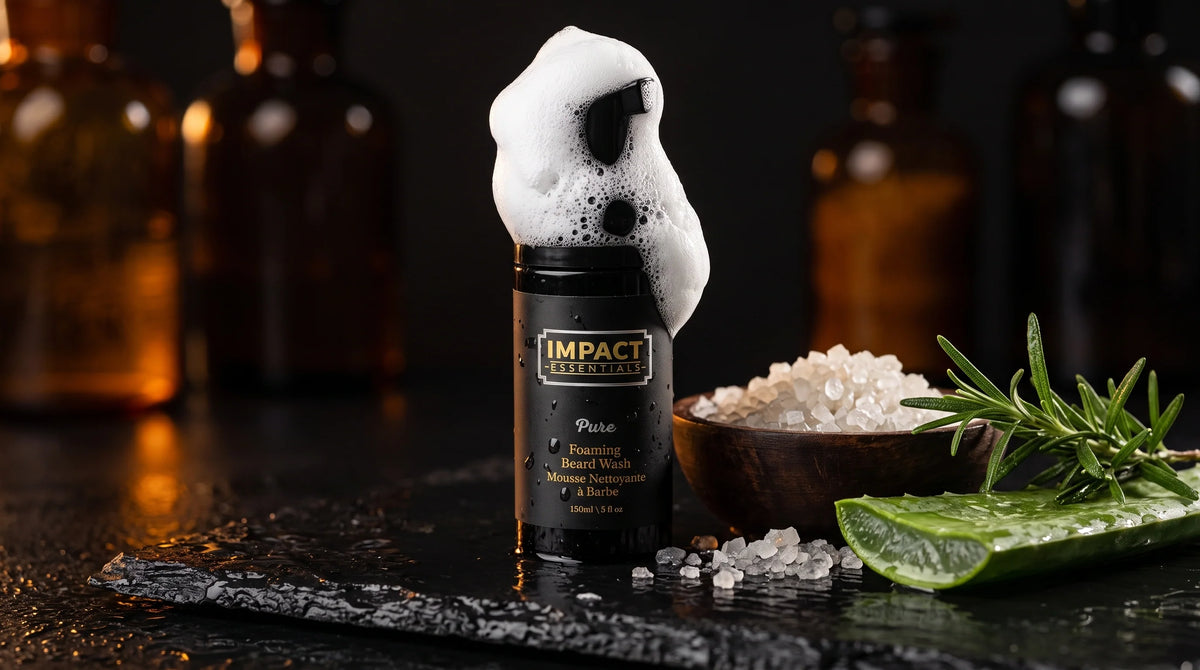
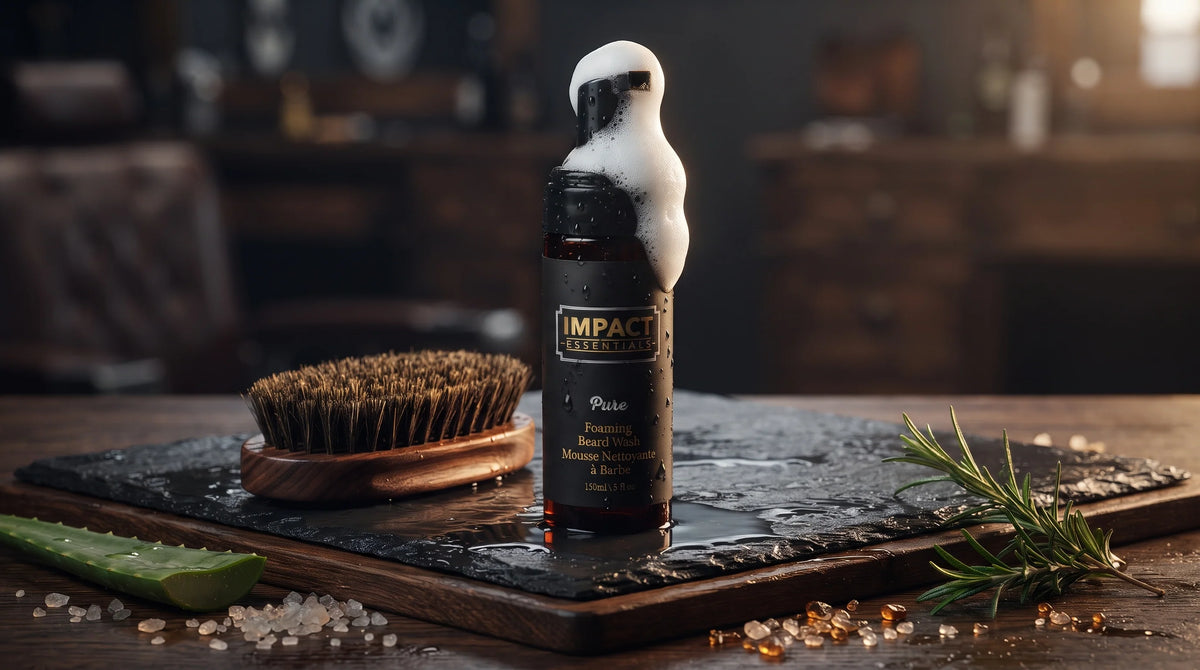
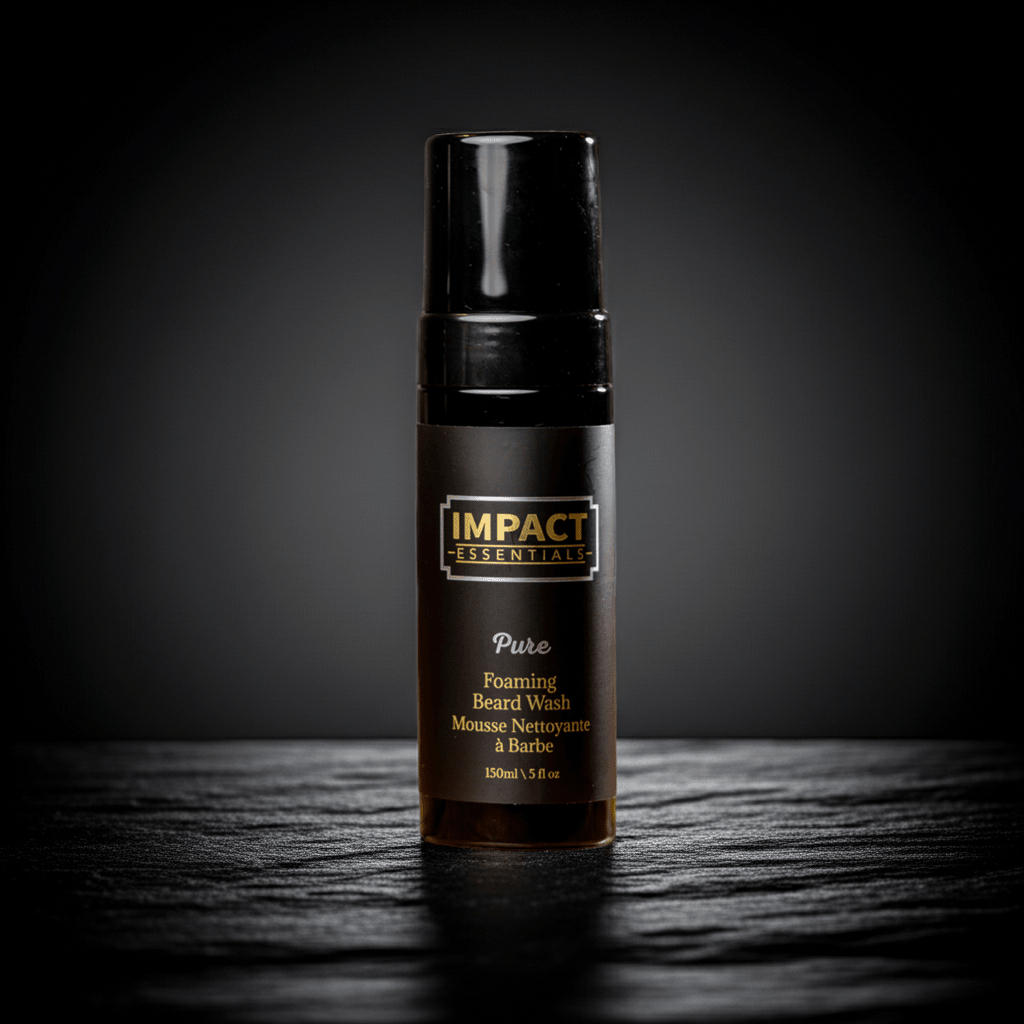
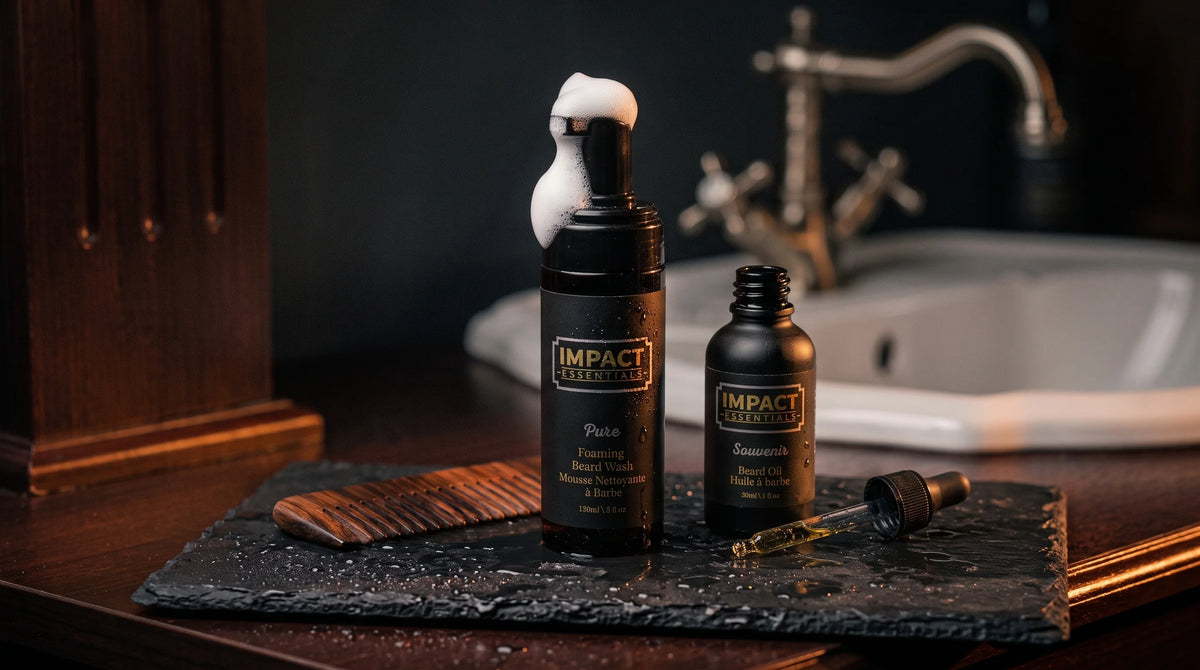
Our Pure Unscented Foaming Beard Wash provides this exact balance. Formulated with Dead Sea minerals and soothing provitamin B5, it cleanses pores deeply without causing tightness or irritation. Explore our full range of natural cleansers in the Foaming Beard Wash Collection to elevate your daily routine, and pair your cleansing days with our step-by-step Sulfate Free Beard Wash Protocol.
Frequently Asked Questions
Can you rinse your beard with water every day?
Yes. Rinsing your beard with lukewarm water daily is recommended. Water clears away light dust, lint, and sweat without stripping the natural sebum your facial skin needs.
What are the primary signs of an over-washed beard?
Common signs include facial skin tightness within 20 minutes of washing, persistent itching, midday oiliness, and small red bumps or blemishes around the hair follicles.
Should you wash a beard with soap after working out?
No. Sweat is water-soluble, so a thorough lukewarm water rinse easily clears it away. Using soap after every workout strips your skin barrier and triggers rebound oiliness.
Should a long beard be washed daily or weekly?
A long beard should be cleansed with a gentle foaming wash twice a week. Natural oils take longer to reach the ends of longer beards, so daily soap washing leaves whiskers dry and prone to split ends.
What should you do if your beard is actively breaking out from over-washing?
Pause all soap cleansing for 5 to 7 days, rinsing with warm water only. Apply two to three drops of a lightweight jojoba-based oil to damp skin each morning to help restore your moisture barrier.
Can beard oil replace washing your beard?
No. Beard oil seals in moisture and conditions hair, but it cannot dissolve dirt or clear pores. You still need to cleanse two to three times per week to prevent buildup.
Refining Your Daily Grooming Ritual
A healthy beard depends on consistent, balanced skin care. Moving away from harsh daily scrubbing gives your skin barrier the space it needs to reset, calming irritation and keeping excess oil under control. By pairing a measured wash routine with gentle, plant-derived formulas, you preserve your skin's natural balance and keep facial hair looking effortlessly refined.