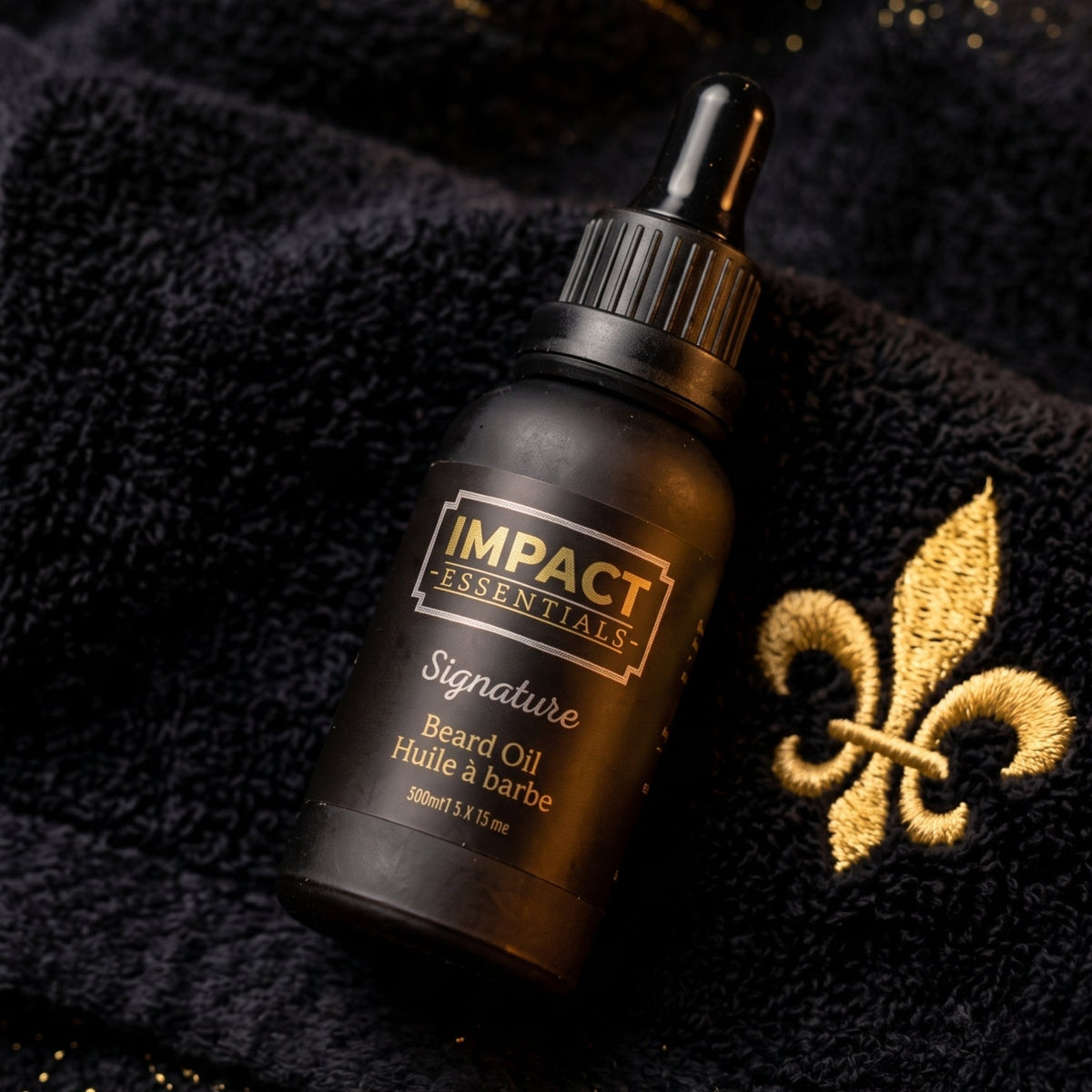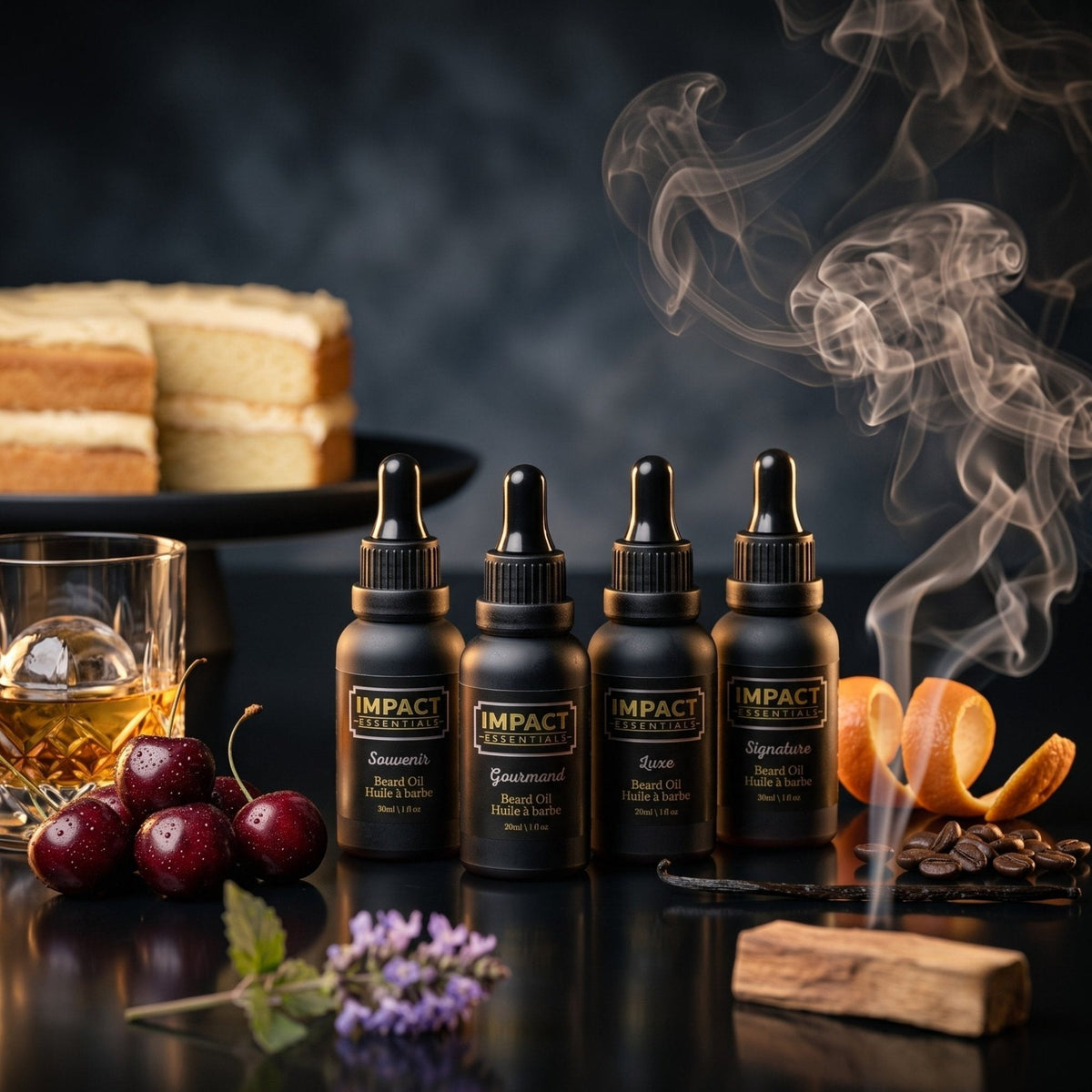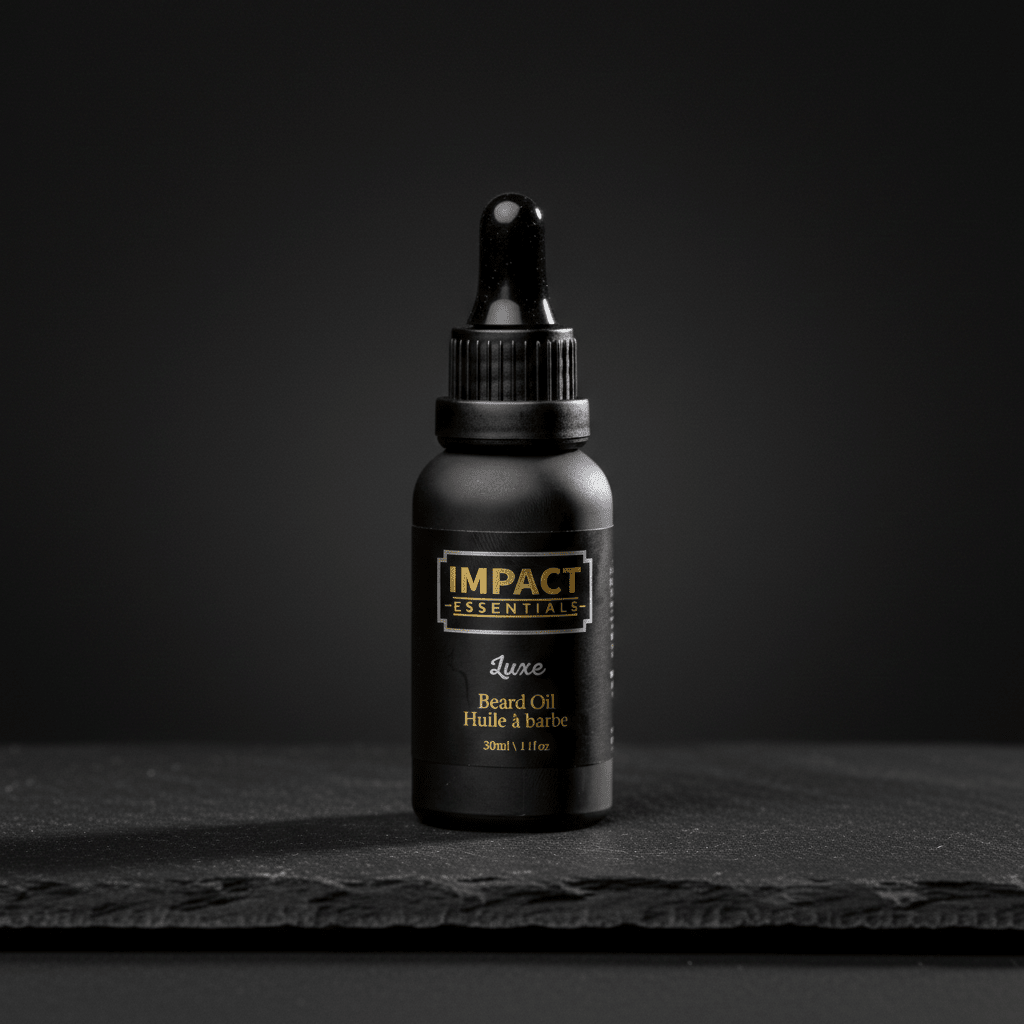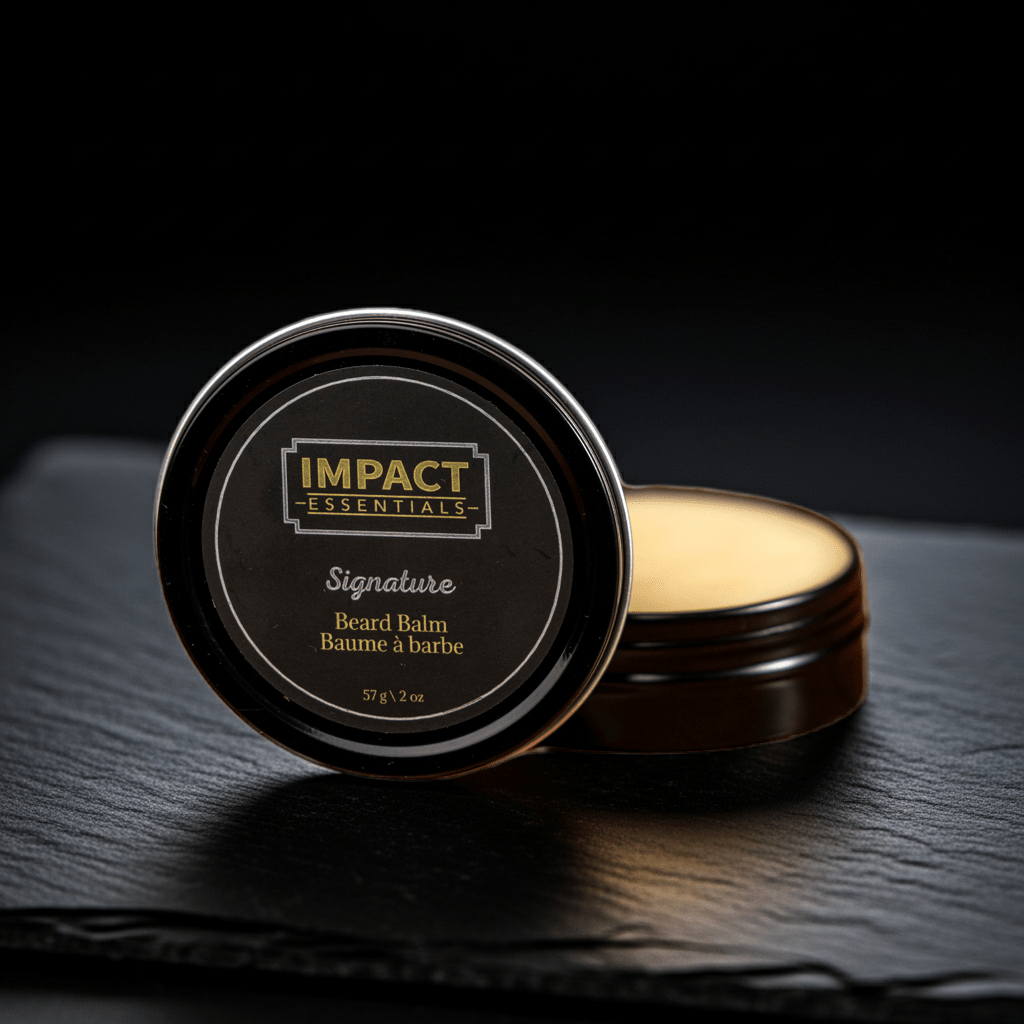

Best Beard Oil for Sensitive Skin: The Truth Mainstream Brands Won't Tell You
If your face burns, itches, or flakes under your beard, you have likely been told that you simply have "sensitive skin." Mainstream grooming brands love this diagnosis because understanding the root causes of beard itching and flakiness reveals a different story—one where a stripped skin barrier, not innate sensitivity, is usually to blame. It gives them the perfect excuse to sell you a specialized shelf full of "calming" washes, "soothing" balms, and "hypoallergenic" serums.
Here is the unspoken truth: 90% of men who think they have sensitive skin do not actually have sensitive skin. They have a severely damaged skin barrier caused by over-cleansing, heavy styling waxes, and cheap "natural" essential oils.
The commercial grooming industry creates the irritation, misdiagnoses the cause, and then sells you the cure.
Restoring the skin underneath your beard requires cutting through the hype and looking at the actual biology of facial skin.
3 Mainstream Beard Care Myths Destroying Your Skin Barrier
1. The Myth of "Deep Cleansing" Beard Scrubs
Mainstream advice tells you to wash your beard multiple times a week with aggressive cleansers and scrub the skin underneath to eliminate beard dandruff.
The reality is that scrubbing flaking skin under a beard is like rubbing sandpaper on a sunburn. Most beard flakes are not just simple dry skin. They are often a reaction to harsh surfactants stripping away your natural lipid layer, or a mild case of seborrheic dermatitis.
Instead of scrubbing, let warm water do most of the heavy lifting for the skin underneath. Use an ultra-gentle, sulfate-free cleanser on the hair, and rely on high-linoleic botanical oils to actively rebuild the barrier instead of stripping it raw.
2. The "100% Essential Oil" Trap
Mainstream advice suggests avoiding synthetic fragrances by choosing products scented strictly with pure essential oils like Peppermint, Tea Tree, or Citrus.
However, natural does not automatically mean safe for facial skin. Pure essential oils are highly concentrated, volatile compounds. Citrus oils (like lemon, lime, or bergamot) can trigger phototoxicity when exposed to sunlight, while peppermint and tea tree oils are top-tier contact allergens. As these oils sit on your shelf and oxidize over a few months, their allergen profile spikes, causing micro-inflammation, itching, and redness.
Sensitive skin requires either an exceptionally low-concentration, stable scent profile or a dedicated unscented beard oil formulation that completely eliminates fragrance-related triggers to prioritize skin health.
3. Smothering Your Skin with Heavy Waxes
Mainstream advice encourages you to apply a thick beard balm loaded with heavy beeswax every morning to lock in moisture.
The reality is that heavy waxes and unrefined butter layers create an anaerobic (oxygen-deprived) trap on your face. They hold dead skin cells, daily sweat, and grime directly against your pores, creating an ideal environment for folliculitis (painful, itchy red bumps around hair follicles).
Remember: beard oil belongs on the skin; beard balm belongs on the hair. Use fast-absorbing liquid botanicals on the face, and reserve waxy balms strictly for the outer canopy of your beard length.
The Clinical Science: Why Botanical Oils Rebuild Skin
The difference between synthetic barrier creams and pure botanical oils comes down to how your skin processes fats.
Sensitive, reactive skin is almost always depleted of linoleic acid—an essential fatty acid that acts as the physical mortar holding your skin cells together. When you apply low-grade mineral oil or heavy petrolatum, it merely creates a passive seal on top of the skin. Botanical oils, on the other hand, actively repair the barrier from within.
Consider the results of a recent clinical study evaluating 45 participants with damaged skin barriers, redness, and eczema over a four-week period:
-
Mineral Oil & Petrolatum Group: Showed minimal change in moisture loss and only provided a surface-level seal without actively repairing the barrier.
-
High-Oleic Oils Group (Olive Oil): Actually increased moisture loss and further compromised the skin barrier.
-
Botanical Blend Group (Jojoba, Argan, Grape Seed): Reduced moisture loss by 54%, dropped redness by 68%, and increased overall skin hydration by 42% without clogging pores. In fact, 89% of participants stopped experiencing stinging or burning entirely.
To achieve these results for your own skin, look for three specific carrier oils:
-
Jojoba Oil: Structurally mimics human sebum. It tricks the skin into balancing its own oil production while penetrating rapidly without clogging pores.
-
Argan Oil: Features a lightweight absorption profile that restores the lipid barrier and calms redness without leaving a heavy residue.
-
Grape Seed Oil: Highly rich in linoleic acid and natural Vitamin E, making it remarkably lightweight, non-comedogenic, and unlikely to trigger breakouts.
The Daily Application Routine for Damaged Skin
Getting the best results from a premium beard oil comes down to application mechanics—especially when building a complete sensitive beard care routine tailored to your specific beard length.
Step 1: Start Post-Shower
Step out of the shower and towel-dry your beard until it is damp and humid, but not soaking wet. Water opens the hair cuticle and preps the skin to lock in hydration.
Step 2: Target the Skin, Not Just the Hair
Dispense a few drops into your hands, adjusting the quantity based on your beard length. Work your fingers underneath the beard canopy and rub the oil directly against the skin.
Step 3: Distribute with Quality Tools
Use a high-quality wooden or carbon fiber comb to work the oil evenly across the entire skin surface. Avoid cheap, injection-molded plastic combs, as their microscopic plastic seams snag hair follicles and aggravate sensitive skin.
Step 4: The Pausing Trick
Allow the oil to absorb for 2 to 3 minutes while you brush your teeth, apply deodorant, or grab a coffee.
Step 5: Finish & Style
After the short pause, blow-dry on low heat if you are heading out for the day, or apply a light beard butter strictly to the beard length if you need extra conditioning.

Frequently Asked Questions
How do I know if my skin underneath my beard is damaged or just dry?
If your skin stings when applying basic products, stays consistently red, or flakes continuously even after applying heavy moisturizers, your skin barrier is likely damaged rather than just dry.
Can I use beard oil if I am currently experiencing breakout-prone skin?
Yes, provided you choose non-comedogenic carrier oils high in linoleic acid, like Jojoba, Argan, and Grape Seed oil. These absorb rapidly without clogging pores.
Is fragrance-free beard oil always better for sensitive skin?
For extremely reactive skin, an unscented formula is the safest choice. If you prefer a fragrance, ensure it uses ultra-low concentrations of biocompatible ingredients rather than heavy, raw essential oils.
How often should I apply beard oil if I have sensitive skin?
Daily application on damp skin immediately after bathing yields the best results for lipid barrier restoration.
Why does my beard itch more when I use a plastic comb?
Cheap plastic combs are stamped in factories, leaving micro-burrs on every tooth. These rough edges slice into hair shafts and scrape reactive skin, causing friction and micro-inflammation.
Should I stop using beard wash altogether?
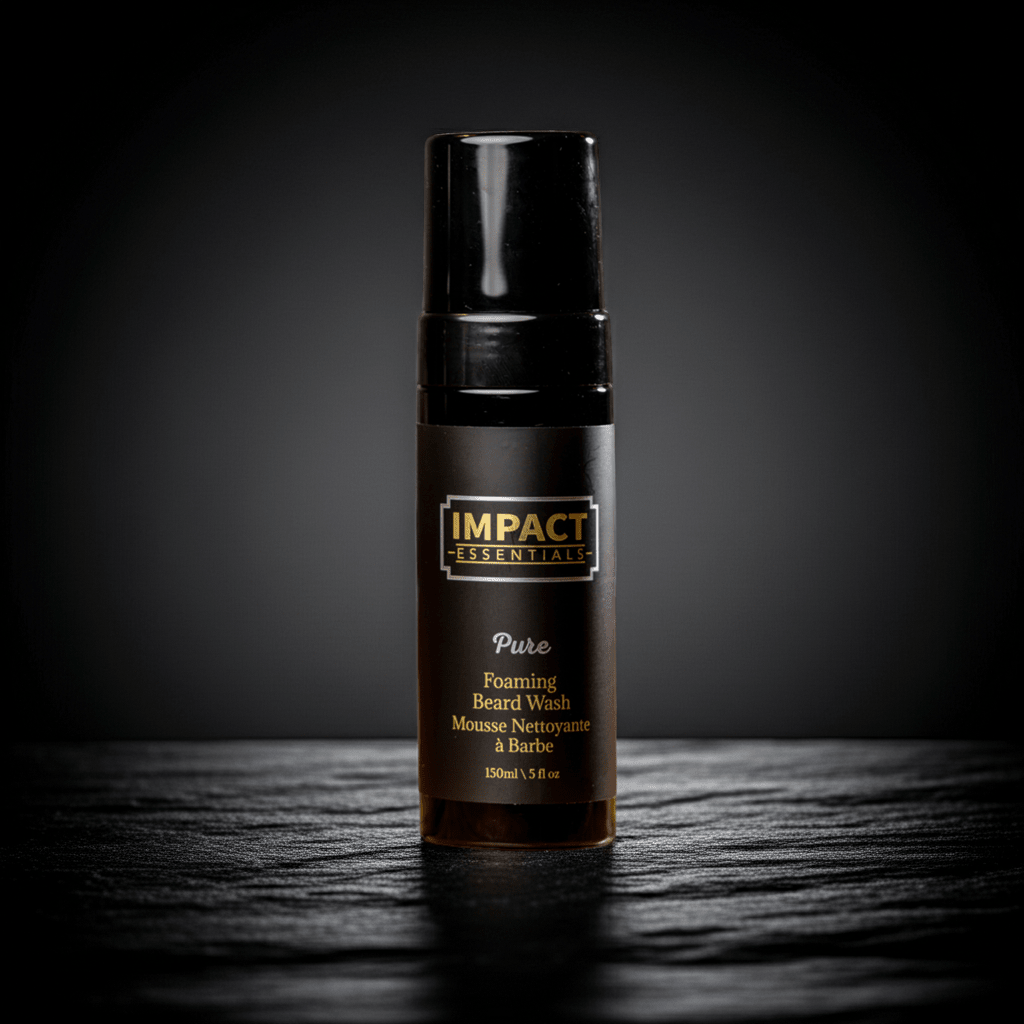
No, but you should switch to an ultra-gentle, sulfate-free formula and avoid washing the beard hair more than 2–3 times a week while leaving the underlying skin largely untouched by harsh soap.
Does beard oil help with beard dandruff?
If the flakes are caused by a stripped lipid barrier, a nutrient-dense botanical oil will help restore the skin. If flakes persist alongside severe redness, consult a dermatologist to check for seborrheic dermatitis.
How much beard oil should I actually use?
Start with 3–5 drops for short beards or stubble. For longer beards over 6 inches, use 6–10 drops, focusing entirely on getting the oil down to the skin level first.
Can I apply beard oil on a completely dry beard?
You can, but applying it to slightly damp skin locks in hydration much more effectively and allows the carrier oils to spread evenly.
What is the difference between beard oil and beard butter for sensitive skin?
Beard oil is a liquid botanical designed primarily for the skin underneath. Beard butter is a hair conditioner formulated to soften the beard length without the heavy, pore-clogging waxes found in traditional styling balms.
To keep your routine working at its best, check out our guide on how to choose non-comedogenic carrier oils to ensure every product on your shelf actively protects your skin barrier.